In today’s offices, a good old Filing Cabinetis pretty much a must-have when it comes to staying organized. John Smith, who's kind of a big deal over at Office Solutions Inc., says, "A well-organized Filing Cabinet can save you hours of your time." And honestly, he’s onto something — having a solid filing system is just as important whether you’re running a small startup or managing a big corporation.
But these cabinets aren’t just boring storage boxes — they’re actually super important for keeping track of all your documents. They come in all sorts of styles and sizes to match whatever you need. The tricky part? Keeping everything tidy when paper piles up everywhere. Let’s be honest, tons of people really struggle with staying organized. A messy Filing Cabinet can lead to missed deadlines and a whole lot of frustration.
So, if you’re running an office, it’s a good idea to take a moment and look at how you’re using your Filing Cabinet. Are you making the most of the space? Is everything easily accessible? Think about what you actually need to keep — and don’t be afraid to toss out what’s unnecessary. Sometimes, a little rearranging and cleaning up can turn a chaotic filing system into something that actually works for you. And don’t forget — regularly checking in on your Filing Cabinet keeps everything running smoothly. After all, staying on top of it makes all the difference!

Definition of a Filing Cabinet and Its Purpose
A filing cabinet is an essential tool in offices and homes. It serves a practical purpose: organizing documents and important papers. Typically, these cabinets feature multiple drawers that can hold various file folders. Each drawer opens smoothly to reveal a neat arrangement of items. This helps individuals access files quickly, saving time and reducing stress.
The main purpose of a filing cabinet is to create order. In a chaotic workspace, it’s easy to lose important documents. A filing cabinet provides a designated space for everything. However, not every cabinet fulfills this role effectively. Some have too few drawers, making them less useful. Others are too deep, which can lead to disorganization. The design of a cabinet matters.
When choosing a filing cabinet, consider your needs. Think about what types of documents you frequently handle. Will you need it for a small office or a large one? Evaluate the space available in your room. Sometimes, people underestimate the impact of a well-organized filing system. Reflection on the way you manage paperwork can improve efficiency. A simple filing cabinet can change how an office operates.
Types of Filing Cabinets: Vertical, Lateral, and Mobile
Filing cabinets come in various types, each serving a unique purpose. Vertical filing cabinets stand tall and often fit into tighter spaces. They usually contain drawers that slide out from the front. These cabinets can store a good amount of documents without occupying much floor space. However, they may not be the best choice for larger documents like blueprints.
Lateral filing cabinets are wider and allow for easier access to files. They provide more horizontal space and can store files side by side. This makes it easier to see and retrieve documents quickly. However, they require more wall space compared to vertical cabinets. Some people find it challenging to keep them organized.
Mobile filing cabinets offer flexibility. They are equipped with wheels, allowing easy movement from one location to another. This is particularly useful in dynamic work environments. But, they can sometimes be less stable when fully loaded. In choosing a filing cabinet, consider your available space and specific Filing Storage needs. Balancing convenience and organization is essential for an effective workspace.
Key Features and Components of Filing Cabinets
A filing cabinet is an essential tool for organizing documents. It typically consists of multiple drawers, each designed to hold various files. The most common type is the vertical cabinet, which offers a compact design. Lateral cabinets take up more space but allow for wider filing options.
Key features include a sturdy metal or wood construction. Most cabinets have a locking mechanism for security. Drawers often come with a labeling system, making it easy to sort and find documents. Some models even include dividers, helping users categorize files efficiently.
Tips: Keep your most accessed documents in the top drawers. This saves time when searching for important files. Regularly purge outdated items to maintain organization. Remember, a cluttered cabinet can lead to chaotic workflows. Sometimes, it’s beneficial to reassess your filing system. What works today might not be effective tomorrow.
Filing Cabinet Features and Usage Frequency
This chart illustrates the frequency of various features commonly found in filing cabinets, based on a survey of office organization preferences.
How to Organize Documents in a Filing Cabinet
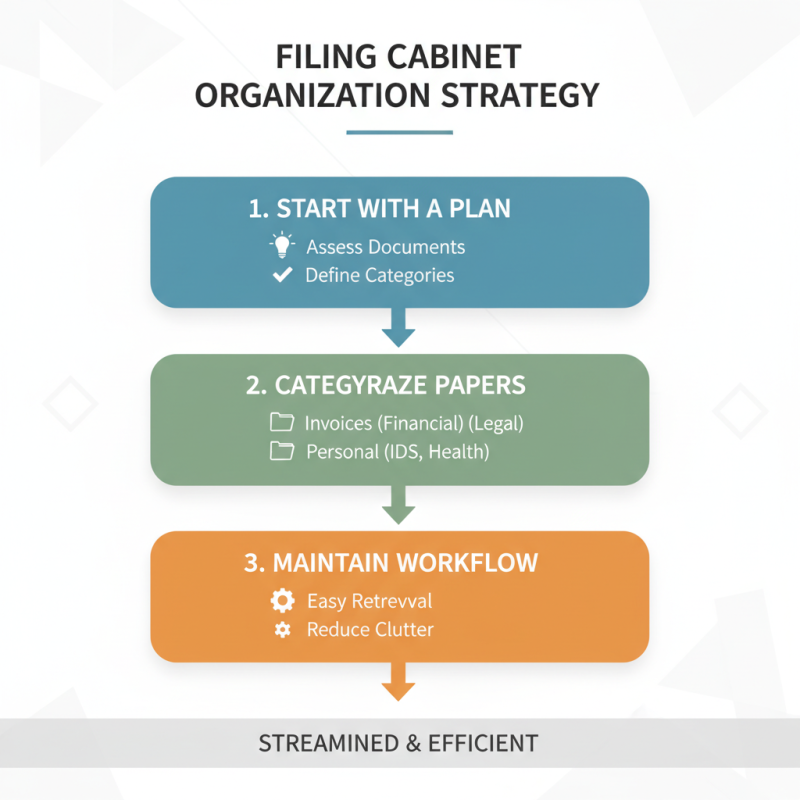
When organizing documents in a filing cabinet, start with a plan. Categorize papers based on topics or purposes. For instance, have sections for invoices, contracts, and personal documents. This strategy helps maintain a streamlined workflow.
**Tips:** Use color-coded folders to simplify browsing. Bright colors catch the eye. Label each folder clearly to prevent confusion. Remember, messy folders lead to overlooked papers.
Consider using tabs for frequently accessed documents. This way, you save time searching. Regularly review content in your filing cabinet too. Papers can pile up quickly. Don't hesitate to discard what you no longer need. It may surprise you how much you can let go.
**Tips:** Set a schedule for cleanup. Monthly check-ins keep things organized. If it feels daunting, tackle one section at a time. Small steps make a big difference. Your filing cabinet can reflect your productivity when done right.
Proper Maintenance and Care for Filing Cabinets
Maintaining a filing cabinet is crucial for its longevity. Regular cleaning is essential. Dust can accumulate in the corners. Wipe down surfaces with a soft cloth. Avoid abrasive materials that could scratch the finish. For heavy use, consider a deeper clean once a year. This can help identify potential issues early.
Check the cabinet's locks and handles regularly. Ensure they function smoothly. If something feels off, don’t wait. Sometimes, a simple adjustment can prevent bigger problems later. Evaluate the organization within the cabinet too. Overloaded drawers can lead to warping or jamming. Limit the weight and arrange files neatly.
Keep an eye on the cabinet's environment. Humidity and temperature can affect its materials. A stable climate is ideal. Too much moisture can lead to mold, while extreme dryness can crack wood. Reflect on your filing habits; occasionally, it’s necessary to declutter. Discard outdated documents. Regular care will ensure your Office Cabinet serves you well for years.
Common Uses of Filing Cabinets in Different Settings
Filing cabinets serve an essential purpose in various environments. In offices, they manage important documents efficiently. A 2 Drawer File Cabinet is often a practical choice. It provides ample storage without taking too much space. Employees can easily access necessary files. Yet, keeping it organized can be challenging. Documents often pile up, leading to confusion and time loss.
In homes, filing cabinets are handy for personal records. They can hold tax documents, medical papers, and vital family information. A 2 Drawer File Cabinet fits perfectly in a small corner. It encourages neatness but can also become cluttered over time. It’s easy to forget what’s stored inside. Regular maintenance is crucial to finding things when needed.
Educational institutions utilize filing cabinets for student records. Teachers can store lesson plans and assignments in them. A 2 Drawer File Cabinet can help streamline paperwork. But if records are not regularly updated, chaos ensues. Important information may be misplaced. Finding a balance between storage and accessibility is often a struggle.
Tips for Choosing the Right Filing Cabinet for Your Needs
Choosing the right filing cabinet can significantly enhance your organizational efficiency. Research indicates that almost 60% of professionals waste time looking for misplaced documents. This delays productivity and can lead to errors. A well-chosen filing cabinet streamlines the document management process, making it easier to find what you need.
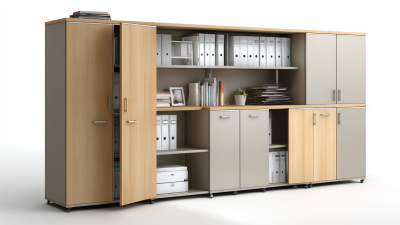
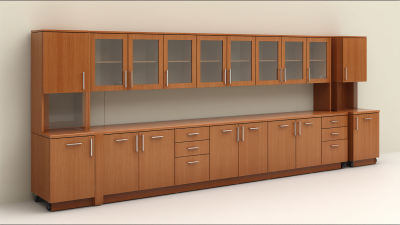
When selecting a filing cabinet, consider the materials used. Metal cabinets offer durability and security. Wood options can add an aesthetic appeal to your office space but may not be as sturdy. The size of the cabinet is crucial too. A larger cabinet might seem better, but it can occupy excessive space. Industry data suggests that 70% of employees prefer filing cabinets that fit seamlessly into their workspace. Inspect the layout of your office before investing in office file cabinet options.
Locking mechanisms are another factor to weigh. Not all cabinets provide security features, which can lead to vulnerabilities. Some people overlook the importance of choosing a cabinet that fits their specific needs. It’s vital to reflect on how frequently you access your files. A cabinet that doesn’t match this frequency can lead to frustration. Keep these considerations in mind as you navigate the myriad options available.
FAQS
: Symptoms often include fatigue, fever, and muscle pain. Some individuals may experience joint swelling.
Diagnosis usually involves a physical exam and medical history review. Blood tests may also be necessary.
Treatments may include medication and physical therapy. Some patients find lifestyle changes beneficial as well.
A balanced diet can aid in symptom management. Avoiding processed foods might help improve overall health.
Yes, stress often worsens symptoms. Managing stress through relaxation techniques can be helpful.
Age and family history may increase the risk. Lifestyle choices can also play a significant role.
Seek medical advice if symptoms intensify. Delaying care may lead to complications or prolonged discomfort.
Yes, numerous support groups exist. Engaging with others can provide valuable advice and emotional support.
Regular follow-ups are crucial. They can help monitor progress and adjust treatment plans as needed.
Regular exercise can improve symptoms. Prioritizing sleep and hydration is important for overall well-being.
Conclusion
A filing cabinet is a vital organizational tool used to store and manage documents in an orderly manner. Its primary purpose is to maintain a safe, accessible, and efficient filing system, whether in a home office, business, or educational setting. Different types of filing cabinets—such as vertical, lateral, and mobile—offer various storage solutions to accommodate different space constraints and personal preferences. Key features include multiple drawers, locking mechanisms, and customizable labeling systems, all of which enhance functionality.
To effectively organize documents within a filing cabinet, one should categorize files logically and use labels for easy identification. Regular maintenance, such as cleaning and ensuring drawer mechanisms work smoothly, prolongs the lifespan of the cabinet. Ultimately, a filing cabinet serves diverse purposes across environments, from keeping important business records to housing academic materials, making it an essential component of any organized workspace. When choosing a filing cabinet, consider factors such as size, type, and personal needs to ensure it aligns with your organizational requirements.